Fibonacci Chorus — Golden-Ratio Stereo Chorus Plugin
Ultra‑Musical Chorus. Built on Fibonacci Numbers.
- Chorus
- Doubler
- Stereo Widener
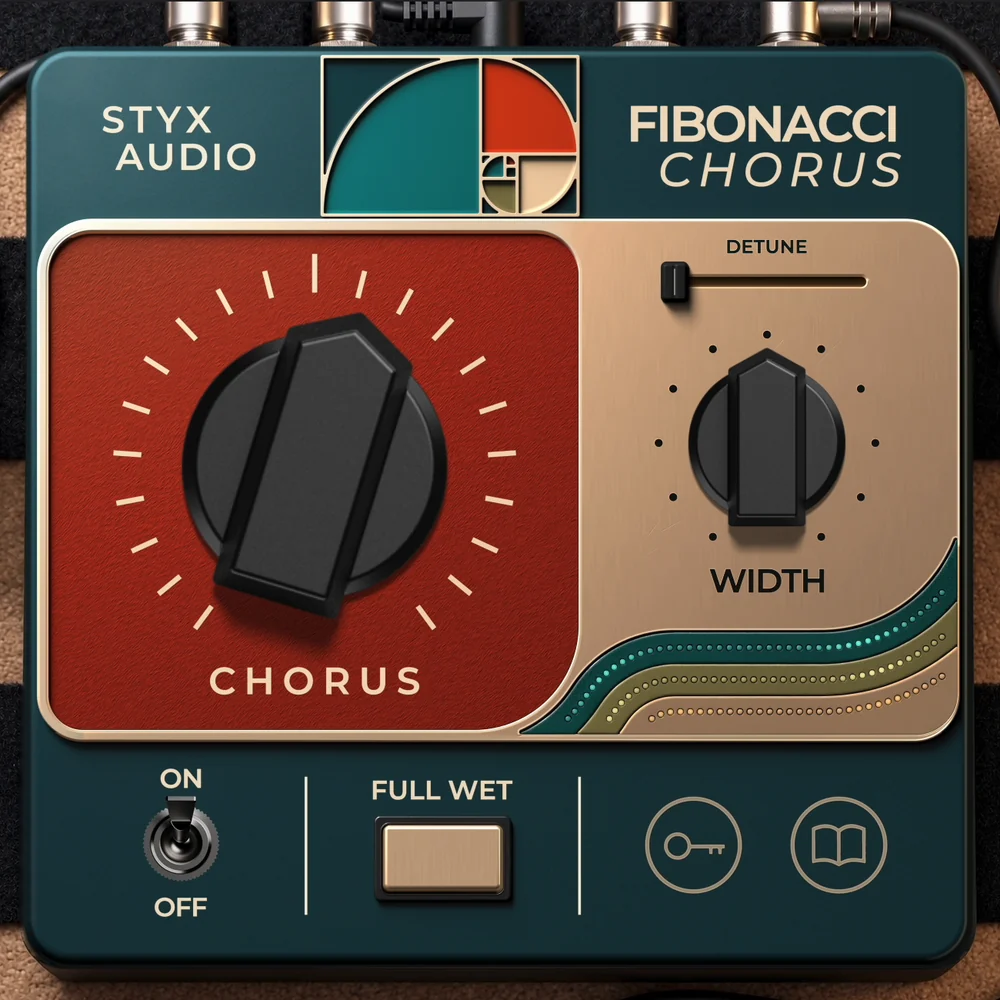
Three stereo voices, with delay times and modulation rates taken from the Fibonacci sequence. Width, depth and slow, natural movement with no audible loop. Three controls, nothing to set up.
VST3 · AU · AAX plugin for your DAW · No credit card required
Hear the Difference
Compare the original signal with Fibonacci Chorus applied.
Press play, then switch between Original and Fibonacci Chorus.
Why Should I Care About Fibonacci Numbers?
You don’t have to. Skip the math, turn the Chorus knob and listen. It just sounds damn good.
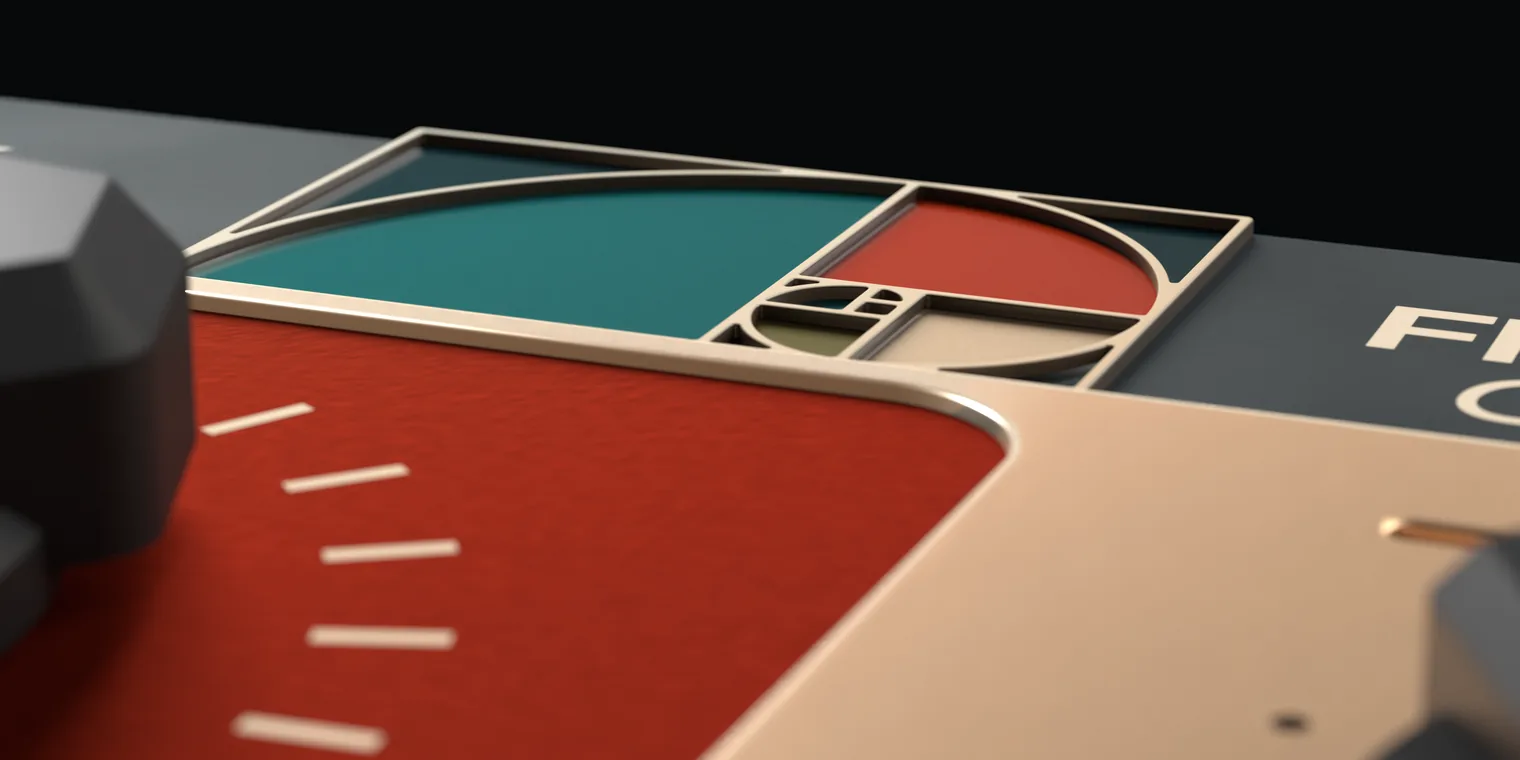
For the curious, here is why. A classic chorus usually runs on one modulator, or on several at the same rate. Its sweep comes round every few seconds, and the ear picks that cycle up quickly.
Fibonacci Chorus moves its delays with four modulators, and their rates are four consecutive Fibonacci numbers divided by one hundred:
Each neighboring pair stands in a ratio close to the golden ratio, 1.618. Rates in that proportion do not settle into a simple rhythm against each other, so the combined motion never falls into a short loop. You hear it as slow, natural movement.
The sequence 1, 1, 2, 3, 5, 8, 13, 21… carries the name of Leonardo of Pisa, known as Fibonacci, who described it in 1202. It turns up in the seed spirals of a sunflower and the scales of a pine cone. Here it sets the delay times and the modulation rates.
Golden Proportions, Fixed Inside
The proportions follow the Fibonacci sequence and the golden ratio. You set only how much chorus, how much detune and how wide.

Movement Without a Loop
Four modulators at Fibonacci rates, with starting phases spaced by the golden angle, 137.5°. The motion keeps changing instead of cycling every few seconds.

Stereo Inside Every Voice
Every voice has different delays and different modulators left and right. A mono source comes out wide; on a stereo source the dry signal stays where it is and the voices add width and depth around it.

A Low End That Stays Put
The voices pass through their own filter, so below 100 Hz there is practically only the dry signal. The foundation of the track is not smeared.

An Analog-Style Voice Path
The voice path is modeled on an analog one and includes a light saturation stage. The modulation is shallow by design: you hear width and slow movement, without an obvious vibrato.
Three Controls. Nothing to Set Up.
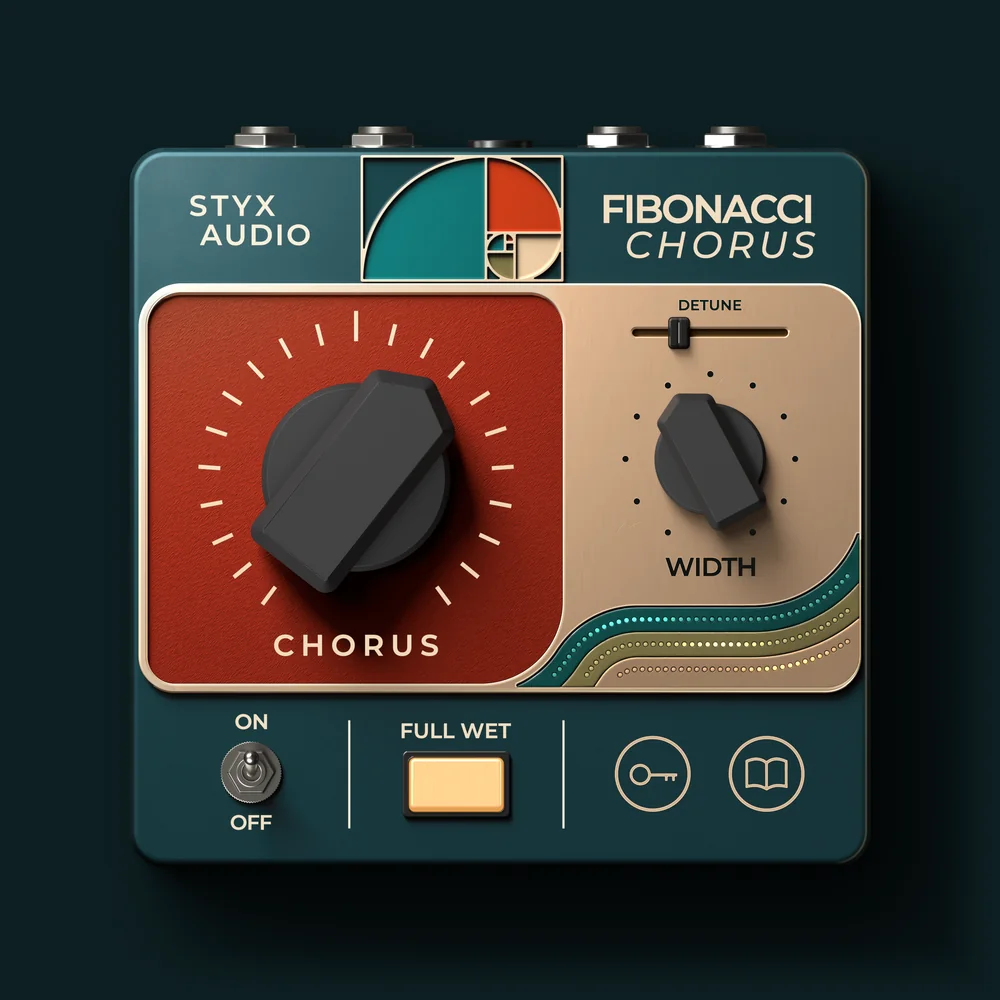
Chorus
Turn it up until the sound opens. At 0 the signal passes unchanged.
Detune
Move the slider right for a thicker, more obvious chorus: two detuned copies of the voices, about 20 cents up and 20 cents down. It keeps the effect audible on phones and small speakers.
Width
Set the stereo spread of the voices, from mono to 200%. The dry signal is not affected.
On a send, switch on Full Wet and set the amount with the send level.
Use It Anywhere in the Mix
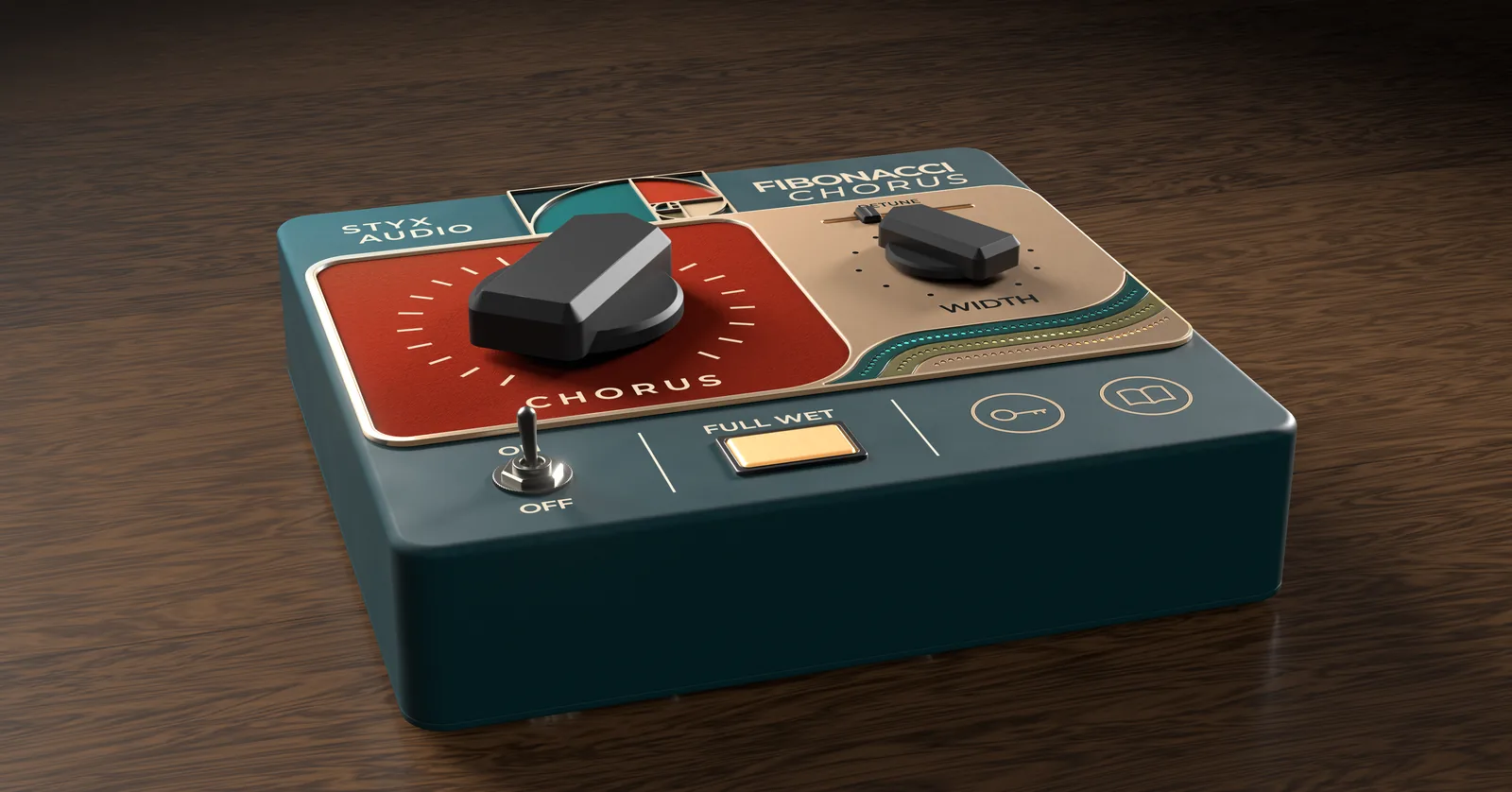
Single tracks, groups, buses and sends. It also works as a doubler and a stereo widener.
On Tracks
- Stereo widener: a mono source comes out in stereo
- Doubler: Detune adds detuned copies for a thicker, doubled part
- Vocals and backing vocals: a low Chorus setting gives width without an obvious effect
- Guitars, keys and synths: more Chorus, Width to taste
- Bass: the foundation does not move
On Buses and Sends
- Groups and buses: keep Chorus low
- Programmed and heavily quantized parts: a small amount adds the slow movement they lack
- After a reverb or a delay: width and movement on the processed signal
- Send/return channels: Full Wet removes the dry signal
Like any chorus, it changes the tone when the mix is summed to mono. At high settings, check the balance in mono.
System Requirements
macOS
- macOS 10.15 or higher
- Apple silicon & Intel, 64-bit
- AAX, VST3 & AU
- 4 GB RAM (16 GB recommended), 400 MB disk space
Windows
- Windows 10 or higher
- 64-bit only
- AAX & VST3
- 4 GB RAM (16 GB recommended), 200 MB disk space
What Top Industry Pros Say About Styx Audio
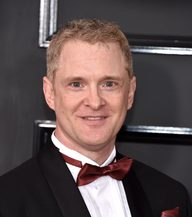
GRAMMY and TEC Award-winning engineer, mixing and Atmos mix specialist, with 16 GRAMMY Awards. Credits include Adele, Taylor Swift, Bruno Mars, The Weeknd, and Mark Ronson.
I’ve tried out Chakra on a couple of songs. It is very nice. I’ve used it on individual tracks where I tend to push it very hard, and on the master bus where it gives a nice width and bottom support.
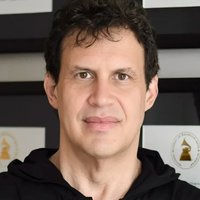
GRAMMY-winning mixer, engineer and producer, founder of HINGE Studios in Chicago. Over 30 GRAMMY-nominated projects, including two Album of the Year nominations for Kanye West’s Late Registration and Graduation. Credits include Kanye West, The Clark Sisters, Donald Lawrence.
I’m as skeptical of one-knob plugins as you probably are… I put Chakra on this guitar thing that just sounded not great, turned it up and was wildly shocked. Don’t let one knob fool you, because it’s pretty damn cool.
Watch the original Reel on Instagram →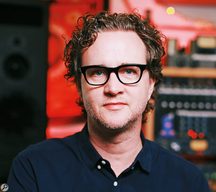
Grammy-winning producer and mix engineer (Adele, Taylor Swift, Dua Lipa, Ariana Grande, Celine Dion, OneRepublic, Twenty One Pilots, Quincy Jones)
It sounds cool! I like it on individual instruments.

Fabrice “Fab” Dupont is a Grammy-nominated, New York-based producer and mix/master engineer, owner of FLUX Studios (NYC) and co-founder of pureMix. Credits include Shakira, Jennifer Lopez, Bad Bunny, André 3000, Mark Ronson.
Chakra is my new subtle-but-powerful secret sauce for drum buss
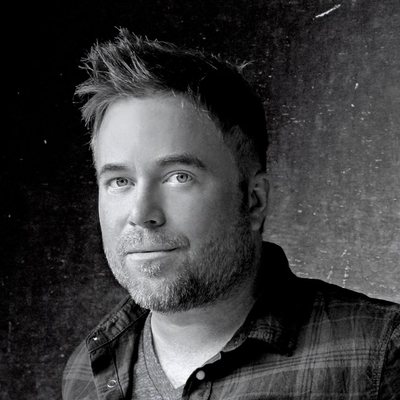
Grammy-nominated songwriter and producer (Keith Urban, Brad Paisley, Blake Shelton, Rascal Flatts)
Roman’s ears are pure gold! You can totally hear how much he cares about greatness when you turn the dials. The new Satori Channel is an absolute masterpiece and quickly became a go to. At this point I use everything Styx Audio has released on my sessions in Nashville every day.
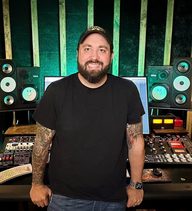
Grammy- and Emmy-nominated mixing and mastering engineer (Robert Glasper, Megan Thee Stallion, Ne-Yo, King Crimson, High on Fire, Billy Ray Cyrus)
I’ve been playing with Chakra for a week and change now. To my ears it beefs up the sub, adds harmonic content in the high mids and highs but nothing harsh. It sounds best mixing through it as opposed to just slapping it on the master towards the end. Especially if the song needs to be opened up a bit, it’s perfect for giving it a nice sheen.
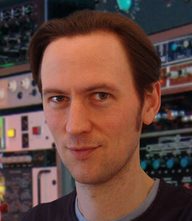
World-renowned mixing engineer, educator, and author of the bestseller Mixing Secrets for the Small Studio. Long-time Sound On Sound contributor and creator of the “Mix Rescue” series. Founder of Cambridge-MT.com.
It’s particularly good at making things sound subtly more ‘forward’, as well as pulling up sustain/detail components, and often seems to add a subtle sense of width/air too. I like the tonal options, but also that all the results are subtle enough to be musically useful.

Mastering engineer at Desert Park, Times Square, New York. Credits include Drake, Travis Scott, Snoop Dogg, Chris Brown, Pharrell, Nas.
Chakra isn’t adding too much friction, just making everything sound more interconnected — that’s why the master got approved.
Give Your Mix Width, Depth and Movement
Try Fibonacci Chorus free for 14 days. Hear what it does in your own mix.
No credit card required · Instant download